

Certificate of Origin for International Shipping

Get a Chamber-certified Certificate of Origin for international shipping through the American World Trade Chamber of Commerce (AWTCC). We help U.S. exporters document the declared country of origin of their goods to satisfy customs clearance, buyer demands, letters of credit, and other international trade requirements.
Submit your shipment information and supporting commercial documents electronically. AWTCC reviews your application and issues an electronic Certificate of Origin through a standardized Chamber certification process.
Certificate of Origin Services for International Shipping
-

Electronic Certificate Submission
Submit your Certificate of Origin application and supporting commercial documents online. We eliminate the need for manual Chamber visits or courier-based certification.
-

Chamber Certification
AWTCC reviews your declarations and supporting documentation before issuing the Chamber-certified Certificate of Origin. As the exporter, you remain responsible for accurately declaring the origin of your goods.
-

Customs Documentation Support
Destination-country Customs authorities frequently request a Certificate of Origin to process import clearance, assess tariffs, enforce import controls, or satisfy other documentary requirements.
-

Shipment-Specific Certification
We issue certificates for a specific export shipment and identify vital information such as the exporter, consignee, goods, declared country of origin, and related commercial documentation.
-

Support for Buyer and Bank Requirements
Importers, buyers, banks, and parties handling letters of credit often demand a Chamber-issued Certificate of Origin, even when Customs does not mandate it.
-
Electronic Verification
Certificates that we issue through the Chamber Certification™ platform include strict security features. These features allow Customs authorities, banks, and other reviewing parties to validate the documents instantly.

When Do You Need a Certificate of Origin for International Shipping?
Not every international shipment requires a Certificate of Origin. You must evaluate the destination country, type of goods, buyer instructions, banking requirements, and applicable trade rules. The U.S. International Trade Administration recommends that you confirm required export documents with your foreign buyer, importer, freight forwarder, or customs broker before you ship.
Common situations that require a Certificate of Origin include:
-
Foreign Customs authorities request a CO to verify the origin of imported goods and apply relevant import rules, duties, or controls.
-
Overseas buyers or importers often mandate a Chamber-certified CO as part of their standard import documentation package.
-
Banks demand a Certificate of Origin when a letter of credit lists the document among its conditions. In these cases, the certificate must match the specified issuer, format, and documentary requirements exactly.
-
Destination countries that require formal evidence of origin use the CO to enforce strict trade compliance.
-
Governments use origin information to enforce country-specific restrictions, quotas, anti-dumping measures, sanctions, or other critical trade measures.
-
Buyers, distributors, government purchasers, and tender authorities often include Chamber-certified CO requirements in their commercial agreements.
Because requirements vary by shipment, exporters must confirm their Certificate of Origin needs before their goods depart.


Information Required for a Shipping Certificate of Origin
A shipping Certificate of Origin must accurately reflect the goods and commercial documents associated with your shipment.
Common information includes:
Exporter Details: Name and address of the company exporting the goods.
Consignee Details: Name and address of the overseas recipient or importer.
Country of Origin: The country or countries of origin that you declare for the goods.
Description of Goods: Clear descriptions of the products inside the shipment.
Quantity and Packaging: Relevant shipment quantities, packages, marks, or numbers.
Destination Information: The country or destination receiving the shipment.
Commercial Invoice: Supporting invoice information that we use during our Chamber review.
Shipment References: Other identifying information that the specific transaction or CO form requires.
You must keep shipment details consistent across the Certificate of Origin, the commercial invoice, and all other related export documents. Discrepancies between these records consistently cause customs delays.


How to Get a Certificate of Origin for International Shipping
AWTCC provides a fast, electronic process for obtaining a Chamber-issued Certificate of Origin.
Confirm That You Need a Certificate: Ask your importer, buyer, customs broker, freight forwarder, or bank if the shipment requires a CO and if they specifically mandate Chamber certification. U.S. Commerce guidance recommends confirming destination documentation requirements early in the export transaction.
Prepare Your Shipment Information: Gather your exporter and consignee details, product descriptions, declared countries of origin, and the commercial invoice associated with the shipment.
Submit Your Application Electronically: Register and submit your application through the Chamber Certification™ platform. Our system allows companies to submit applications fully online.
Let AWTCC Review the Application: Our Chamber team reviews the information and supporting documentation you submit. AWTCC does not independently investigate where you manufactured the products; you remain legally responsible for the accuracy of your origin declaration.
Receive Your Chamber-Certified CO: Once we approve your request, we electronically issue your Certificate of Origin so you can satisfy customs, buyer, bank, or documentary requirements.
Provide the Certificate to the Required Party: Send the completed CO to the importer, freight forwarder, customs broker, bank, or the party managing the international transaction.
Non-Preferential vs. Preferential Certificates of Origin
You must understand this distinction when you request an export Certificate of Origin.
| Feature | Non-Preferential Certificate of Origin | Preferential Origin Certification |
|---|---|---|
| Primary Purpose | Documents the declared country of origin without granting preferential tariff treatment | Supports a claim for preferential tariff treatment under an applicable trade agreement |
| Typical Use | Customs, importer, bank, letter of credit, or commercial requirements | Reduced or zero tariff claims under qualifying trade agreements |
| Chamber Certification | Chambers of Commerce commonly issue and certify these documents | Depends on the specific trade agreement; many U.S. FTAs require the exporter, producer, or importer to self-certify |
| Examples | Chamber-issued non-preferential CO | USMCA and other agreement-specific origin certifications |
| Requirement | Depends on the destination, goods, buyer, or transaction | Depends on applicable FTA rules and whether the goods legally qualify as originating |
AWTCC's Chamber-issued Certificate of Origin service focuses strictly on non-preferential Certificates of Origin. The U.S. International Trade Administration clearly distinguishes these generic/non-preferential COs from the certifications companies use to claim FTA preferential tariff treatment.

Certificate of Origin and Customs Clearance
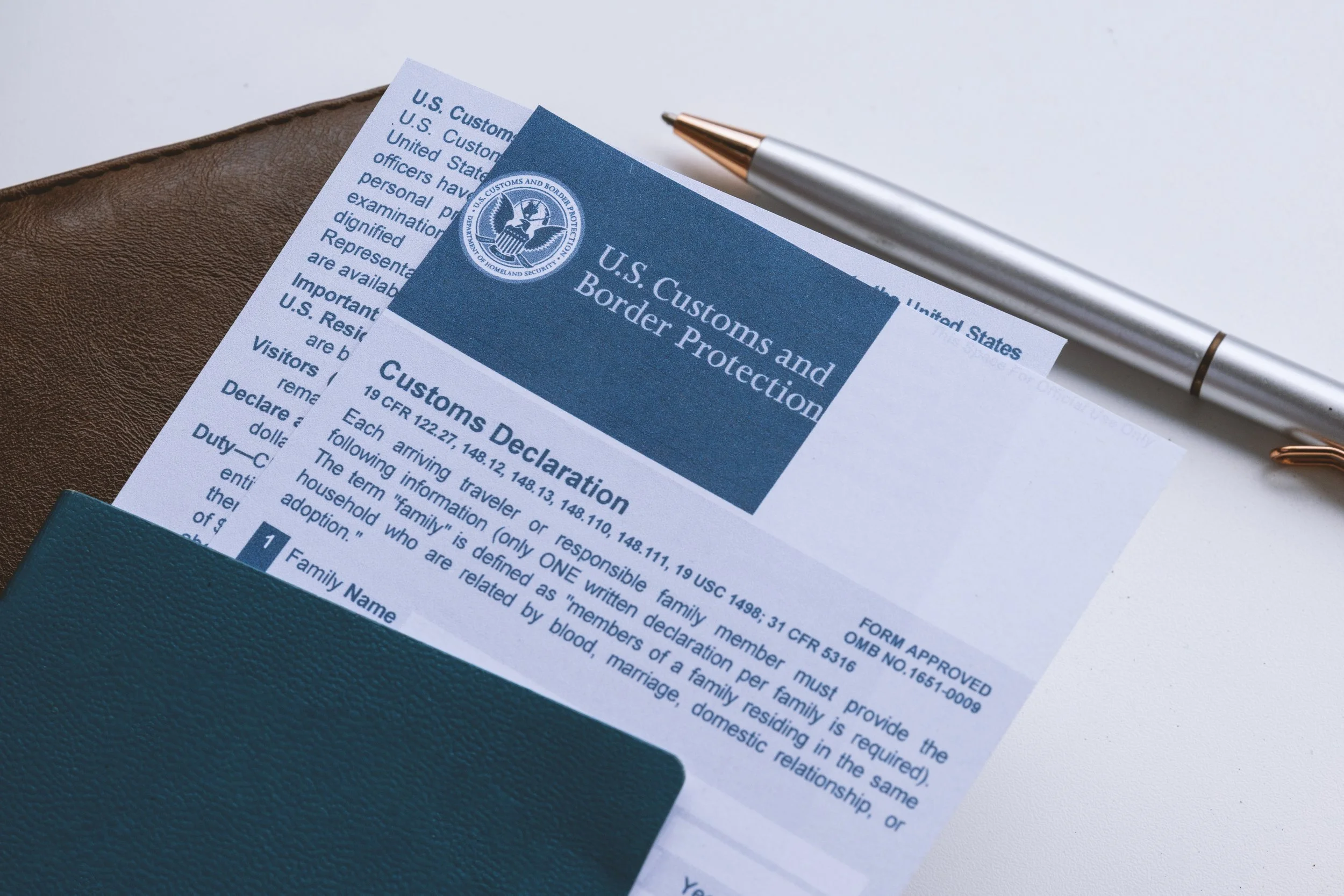
Import authorities demand a Certificate of Origin during customs clearance because they need formal, documentary proof regarding where the goods originated.
The International Chamber of Commerce states that Customs authorities use Certificates of Origin primarily to determine applicable duties and verify the legitimacy of imports.
However, a Certificate of Origin does not automatically guarantee Customs clearance. Import authorities evaluate the CO alongside:
Commercial invoices
Packing lists
Bills of lading or air waybills
Import licenses
Product-specific certificates
Customs declarations
Other destination-country documentation
You must ensure your shipment information perfectly matches across all documents and confirm the destination country's requirements before you dispatch the goods.

Avoid Common Certificate of Origin Shipping Delays
Errors in an international shipping Certificate of Origin trigger additional scrutiny and delays during import clearance.
Common issues include:
Declaring the incorrect country of origin
Writing product descriptions that fail to match the commercial invoice
Providing incorrect exporter or consignee details
Failing to submit supporting documentation
Submitting a preferential origin form when the authority demands a Chamber-issued non-preferential CO
Assuming every export automatically requires a Certificate of Origin
Providing a self-certified document when the buyer or Customs authority specifically demands Chamber certification
Missing the specific wording or formatting that a letter of credit requires
Submitting one CO for multiple shipments when the authority requires individual shipment certificates
Waiting until goods arrive at the destination before you confirm documentation requirements
AWTCC reviews your CO applications and supporting records before issuance so we can identify documentary inconsistencies before they derail your shipment.


Why Choose AWTCC?
Chamber-Issued Certificates of Origin: AWTCC specializes in Chamber certification for U.S. exporters who need a recognized Certificate of Origin for international shipping.
ICC Accreditation: AWTCC participates in the ICC WCF International Certificate of Origin Accreditation Chain, which guarantees standardized issuance and international verification practices.
Electronic Application Process: Exporters submit CO applications and supporting documents online through the Chamber Certification™ platform rather than visiting a Chamber in person.
International Verification: The electronic certificates we issue include verification capabilities that allow Customs authorities, banks, and international parties to validate the document instantly.
Same-Day Processing for Complete Applications: AWTCC typically processes complete electronic applications on the same day, provided you submit accurate information and meet our review requirements.
Support for U.S. Exporters and Freight Forwarders: Our certification process supports exporters who manage their own shipments as well as freight forwarders who manage export documentation for their clients.
Broader Export Document Support: AWTCC also processes Certificates of Free Sale, commercial document certifications, Apostilles, and legalization requests for international transactions.
Related Export Certification Services
-
Certificate of Origin
Obtain a U.S. Chamber-issued non-preferential Certificate of Origin to satisfy Customs, importer, bank, and international trade requirements.
-
Certificate of Free Sale
Certify qualifying products to meet foreign registration, regulatory review, or market-entry requirements.
-
Certificate of Origin for Freight Forwarders
Submit and manage Certificate of Origin applications for your exporters and shipping clients.
-
Commercial Document Certification
Obtain Chamber certification for invoices, packing lists, agency agreements, declarations, and other vital export documents.
-
Document Legalization for International Trade
Complete additional authentication or embassy/consular legalization when your destination country requires it.
-
Document Authentication for International Use
Complete apostille, authentication, or consular legalization requirements according to the destination country's specific process.

Frequently Asked Questions
-
No. You only need a Certificate of Origin when the destination country's rules, the importer, the buyer, the bank, a letter of credit, or another party explicitly requires one. Requirements also vary drastically by product within the same country.
-
You must confirm and prepare your required export documents before shipment. U.S. Commerce recommends identifying the importing country's documentation requirements with your foreign buyer early in the transaction. This preparation helps the importer clear Customs smoothly.
-
Document discrepancies routinely cause intense scrutiny, requests for clarification, and massive clearance delays. You must ensure that product descriptions, parties, origin information, and other shipment details remain perfectly consistent across the CO and all supporting commercial records.
-
Generally, a Chamber-issued CO covers one specific shipment. Recurring shipments require separate Certificates of Origin, even when the exporter, importer, and products remain the same.
-
No. A Chamber-issued CO is a non preferential document. Conversely, the specific rules of a free trade agreement govern preferential origin certifications; these agreements often require the exporter, producer, or importer to self-certify rather than obtain Chamber certification.