
Why Some Countries Require Consular Legalization Instead of an Apostille
The American World Trade Chamber of Commerce (AWTCC) helps U.S. exporters prepare documents for international use. Choosing the wrong authentication route can hold up a registration, transaction, or shipment. One buyer may request an apostille, while another may ask for consular legalization. You cannot interchange these requests. The correct choice depends on the destination, the document, and the authority reviewing it.
The Short Answer: Two Different Ways to Verify a Document
An apostille serves as a standardized certificate under the 1961 Hague Apostille Convention. When that treaty applies between the issuing and receiving countries, the designated authority in the document's country of origin can issue an apostille instead of sending the document through traditional foreign consular legalization.
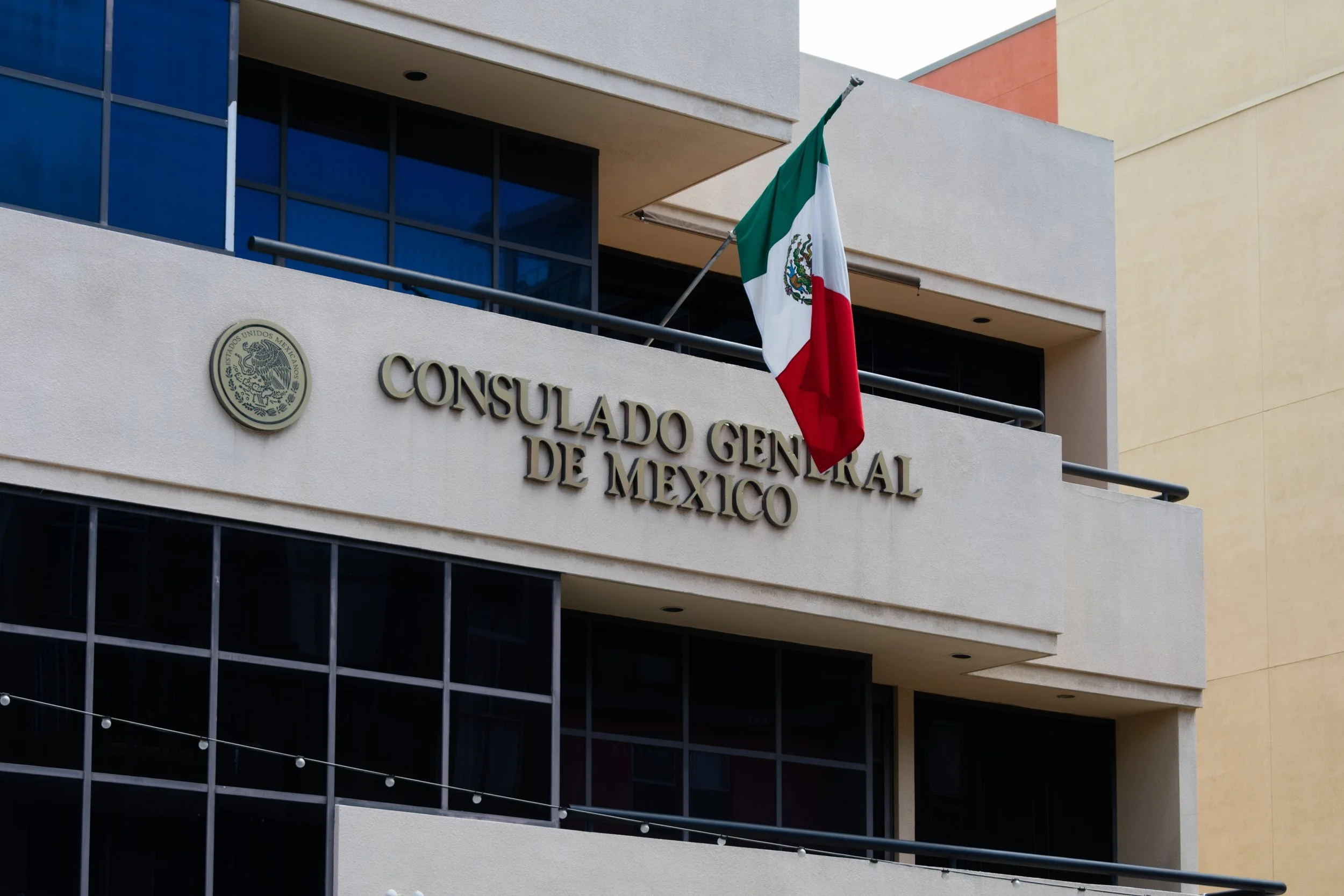
Consular legalization follows a different path. A relevant domestic authority authenticates the document or an earlier official signature, and the destination country's embassy or consulate then completes the applicable foreign legalization step. Each office in that chain checks the preceding authentication. The procedure can involve additional certifications, translations, fees, and delivery stages.
Think of an apostille as a common verification format that participating jurisdictions agree to recognize. Consular legalization works more like a series of handoffs between authorities that do not use that common route. Neither process guarantees that a bank, customs officer, or product regulator will approve the underlying transaction.
Why Some Countries Still Use Consular Legalization
The Hague Convention Does Not Cover Every Country
The Hague Convention replaced traditional legalization for eligible public documents only where the Convention applies between the two countries. A country may not be a party to the treaty. An accession may not yet have taken effect, or an objection can affect whether the Convention operates between particular parties.
Before you decide how to process a U.S. document, check the destination and the treaty relationship's effective date in the Hague Conference Apostille Convention resources. The official status table matters more than outdated lists. A receiving office may also require a specific document type, not just any paper bearing a stamp.
Different Offices Require Different Evidence
A health regulator reviewing a Certificate of Free Sale does a different job from a bank reviewing a power of attorney. One regulator may want evidence that an acceptable issuer issued the certificate. Another may require the legal chain of signatures for an authorization. The destination country's laws, administrative rules, and receiving party's checklist dictate the requested proof.
Apostilles verify the origin of a public document: the relevant signature, capacity, and seal. They do not independently certify the accuracy of every statement inside the document. Consular legalization also does not substitute for product testing, import permission, export licensing, or a correct commercial invoice.
Commercial Documents Introduce Extra Steps
U.S. exporters routinely handle privately created invoices, company declarations, and commercial agreements alongside official certificates. You may need chamber certification, notarization, or signature authentication before these documents qualify for the next step. These requirements depend on the specific document and the authority accepting it.
For example, an importer may request a chamber-issued Certificate of Origin and separate legalization of that certificate. You should confirm whether the buyer means chamber certification alone or formal embassy legalization. Both use certification language, but they serve entirely different functions.
Apostille Versus Consular Legalization: What Changes?
The apostille route generally focuses on one designated competent authority after you properly prepare an eligible document. The consular route typically adds authentication stages and a foreign embassy or consulate. The first route removes traditional consular legalization where the treaty applies; the second route serves destinations that still require that diplomatic chain.
Cost and turnaround times also differ. Government offices and consulates maintain separate submission rules, service windows, and fee structures. Total project time includes obtaining the correct underlying document, correcting errors, and sending originals between offices. A quick appointment at one stage does not mean the entire chain will finish quickly.
For a reliable starting point, consult U.S. government authentication guidance, which distinguishes apostilles from authentication certificates for U.S. documents. Then, follow the destination's instructions for any later embassy stage.
The Typical U.S. Consular Legalization Process
Step 1: Confirm the Destination's Exact Requirement
Ask the foreign buyer, regulator, or institution which original document it expects, which issuer it accepts, and whether it requires an apostille or consular legalization. Ask whether a translation, special stamp, chamber certification, or particular validity date also applies. Request written instructions rather than relying on an old shipment file.
Record the intended use as well as the country. A commercial invoice for customs clearance and a power of attorney for local company representation follow different approval paths. Confirm whether the requirements apply to originals, certified copies, or notarized copies.
Step 2: Prepare a Document the Next Authority Can Recognize
For private company documents, the required route may start with an authorized signer and a notary, or with a chamber or other accepted certifying body. Official state or federal documents start with a different issuing authority. Do not notarize a government original just because a notary seems convenient; follow the relevant authority's guidance for that document type.
Check names, dates, signatures, seals, and attachments before submission. If a regulator expects a Certificate of Free Sale for specific products, ensure the product descriptions and issuer type match its checklist. Review AWTCC's Certificate of Free Sale guidance for the document's commercial purpose.
Step 3: Obtain the Required Domestic Authentication
A state-issued document and a federal document do not automatically use the same office. Depending on the source and required chain, you may need state-level authentication or the U.S. Department of State's Office of Authentications. The destination country's mission usually specifies precisely which domestic certificates it accepts.
This is where the word apostille often confuses. For destinations outside the applicable Hague route, the required U.S. document generally needs an authentication certificate rather than a Hague apostille. Calling every official seal an apostille will send an application down the wrong track.
Step 4: Present the Document to the Relevant Embassy or Consulate
After you complete the required domestic steps, submit the document to the destination country's authorized mission under its current rules. Some missions accept mail or a designated agent; others specify their own filing location, forms, translations, service charges, and document categories.
Check whether the mission handles commercial documents through a specialized channel. Confirm payment and return-shipping instructions before mailing an original. A missing cover letter or improperly signed company statement can trigger a return even if you completed the prior authentication correctly.
Step 5: Confirm Final Acceptance Before the Transaction Deadline
The receiving country may require another local attestation or regulatory review after the document reaches the destination. Ask the importer or consignee to confirm those final requirements. Keep scans of each stage and document the courier tracking number, authority receipt, and anticipated review date.
Use AWTCC's country-by-country legalization requirements as a planning resource, then verify any changes with the destination mission and recipient. Requirements change faster than a company's export-document template.
Three Practical Examples Exporters Can Learn From
Example 1: A Certificate of Origin for a Non-Hague Destination
Imagine a U.S. manufacturer preparing a shipment for a buyer whose customs agent requests a chamber-certified Certificate of Origin plus embassy legalization. The manufacturer first obtains the required certificate, then follows the specified authentication chain. Sending only a notarized invoice does not satisfy the request for a Certificate of Origin.
The lesson is to separate the document's business function from the legal authentication applied to it. A document that correctly identifies product origin can still lack the foreign recognition step the recipient requires.
Example 2: A Certificate of Free Sale for Product Registration
A U.S. cosmetics company wants to register products in a foreign market. Its distributor requests a Certificate of Free Sale from an acceptable issuer and proof of authentication. The team checks which issuer the regulator recognizes, matches product names to the application, and confirms whether the required route involves an apostille or consular legalization.
This hypothetical case highlights an easily missed distinction: a Certificate of Free Sale supports regulatory review, but it does not independently grant market authorization. Foreign legalization confirms an authentication chain, not the regulator's final decision.
Example 3: A Legal Authorization for an Overseas Distributor
A company appoints a distributor through a power of attorney. The overseas party asks for a notarized document with consular legalization. If the signer sends a scanned signature or uses the wrong acknowledgment format, the domestic authenticator will likely reject the file before the embassy sees it.
The team avoids that problem by confirming the required signing format, authority, and language with the receiving party before execution. Proper preparation saves more time than trying to expedite a defective document later.
Mistakes That Create Avoidable Delays
Treating the destination country's location as the rule creates the first common mistake. A Middle Eastern country may be part of the Apostille Convention, while an Asian country may require traditional legalization. Geography alone does not establish a country's current treaty relationship.
Assuming that notarization, chamber certification, and legalization mean the same thing represents the second mistake. Notarization verifies a notarial act, chamber certification serves a commercial-document function, and a foreign legalization chain authenticates an official signature for cross-border use. A recipient frequently requires several steps in a specific order.
Promising a delivery date before confirming the last reviewer creates the third mistake. The exporter may finish domestic authentication, but the foreign mission or receiving regulator may still require additional review. Leave room for return shipping, translations, corrections, and public holidays.
Finally, do not equate an authenticated document with a compliant shipment. A separate export license, tariff classification, import registration, or bank requirement still applies. AWTCC's export documentation checklist helps teams keep authentication properly integrated into the broader shipment workflow.
Build a Repeatable Pre-Shipment Control
Create one checklist entry for each document: destination, purpose, issuing authority, acceptable format, required domestic certification, foreign mission, translation rule, and delivery deadline. Assign a person to obtain written confirmation from the recipient before the team orders documents or books courier pickups.
Review treaty status again for a new shipment, even when the exporter served the market previously. Country accessions and receiving-office procedures change. A short verification step prevents a company from using an outdated process simply because it worked last year.
AWTCC supports exporters who need apostille and document legalization services for international trade documentation. For a transaction with unusual documentation, confirm the receiving authority's requirements and discuss the document route before committing to a shipment deadline.
Frequently Asked Questions
-
You may need both if separate parties require them for different purposes. For example, a foreign regulator may request a Certificate of Free Sale during product registration. In contrast, a buyer, customs authority, or bank may later request a Certificate of Origin for a shipment or commercial transaction. Do not assume that every regulated product requires both. Confirm each requirement with the appropriate receiving party.
-
A customs authority may request origin documentation when it needs information about the country of origin of imported goods. However, customs document requirements vary by country, product, transaction, and applicable trade program. A Certificate of Free Sale usually relates to product registration or regulatory documentation rather than ordinary origin determination. Exporters should follow the destination authority's current requirements rather than assume that every customs entry needs the same certificate.
-
Chambers of Commerce commonly certify non-preferential Certificates of Origin when a buyer, bank, customs authority, or other receiving party requests Chamber certification. Preferential origin certifications follow the rules of the applicable trade agreement. Depending on the agreement, an exporter, producer, importer, or another authorized party may complete the certification. Always check the specific agreement or destination requirement before preparing origin documentation.
-
No. Foreign authorities typically request Certificates of Free Sale in specific product-registration or regulatory contexts. Exporters commonly encounter them with products such as cosmetics, dietary supplements, food and beverages, medical devices, and other regulated or consumer-facing goods. The destination authority determines whether it requires a CFS and which issuing authority it will accept.
-
Yes, when the relevant destination authority, buyer, or transaction terms demand it. Confirm the invoice's certification and authentication sequence before you submit it.